
Science
Discover how our Science Department nurtures curiosity and a passion for Science.
Vision and Mission
Our Science department envisions nurturing curious and scientifically literate students through our guiding principles: Inspire, Inquire, and Innovate. We aim to equip students to make informed decisions, build strong foundations for STEM, and develop a spirit of inquiry—fostering curiosity, appreciation of Science in daily life, and its role in solving global challenges.
Science Curriculum Framework
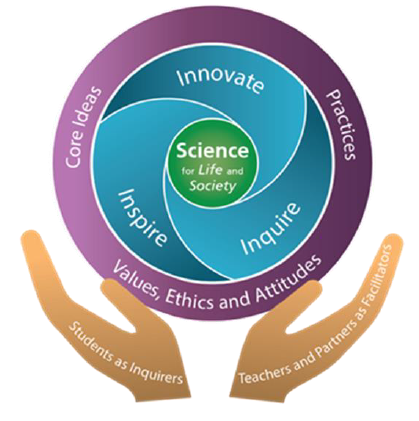
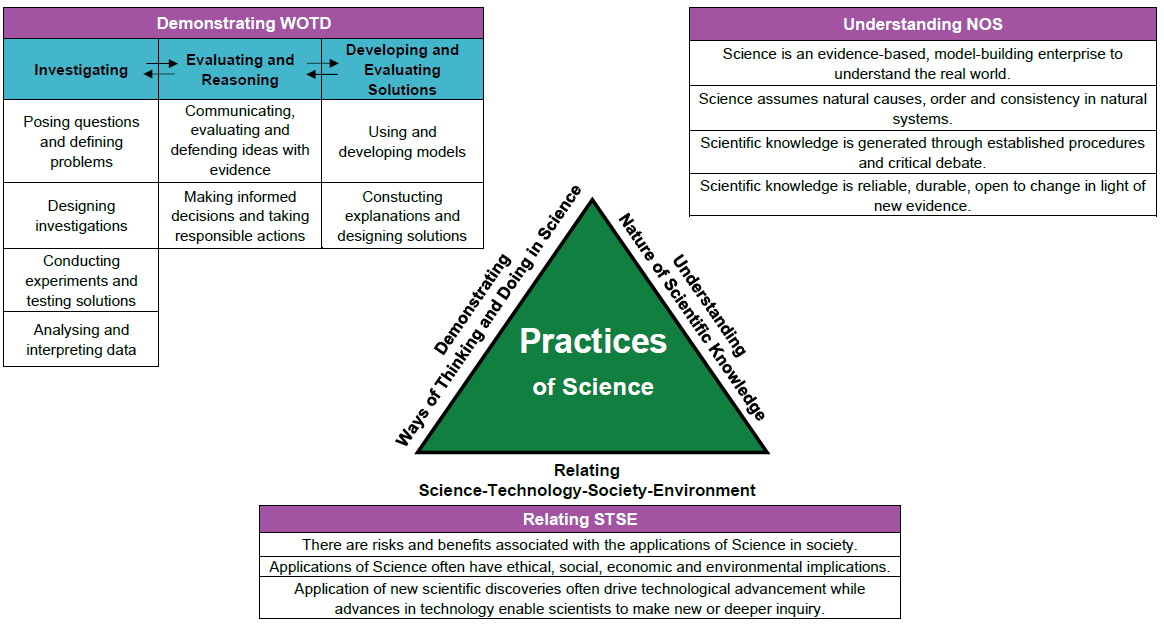
Practices of Science
Teaching And Learning Through Inquiry
We nurture students as inquirers by fostering curiosity and providing authentic learning experiences. Our teachers use a variety of teaching strategies to facilitate the inquiry process and design meaningful learning experiences that develop scientific skills and knowledge, give students the opportunity to demonstrate Emerging 21st Century Competencies and values, while inspiring them to explore and question.
Hands-On Learning
Hands-on activities help students connect concrete experiences to abstract concepts in real-life contexts. Strategies like model-making and storytelling deepen understanding and application of scientific ideas.
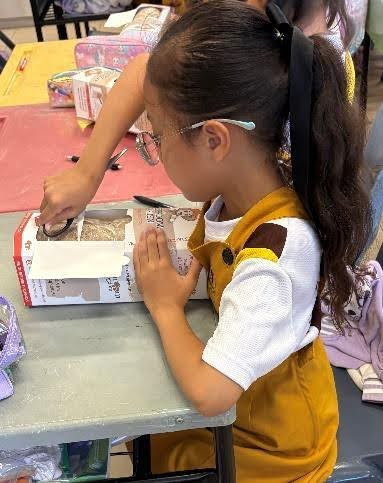
Students learnt about fungi at a Mushroom Growing Workshop.
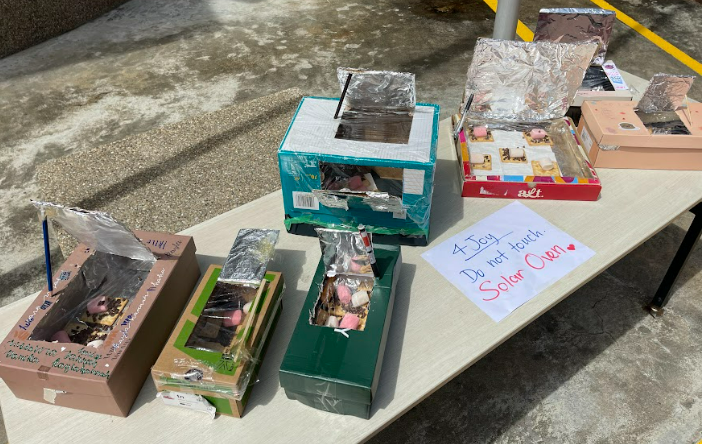
Students designed solar ovens using concepts learnt.
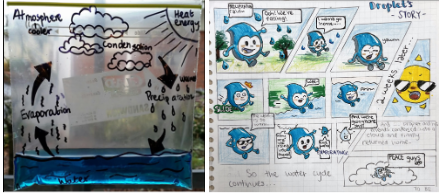
Students built water cycle models and wrote creative Droplet stories.
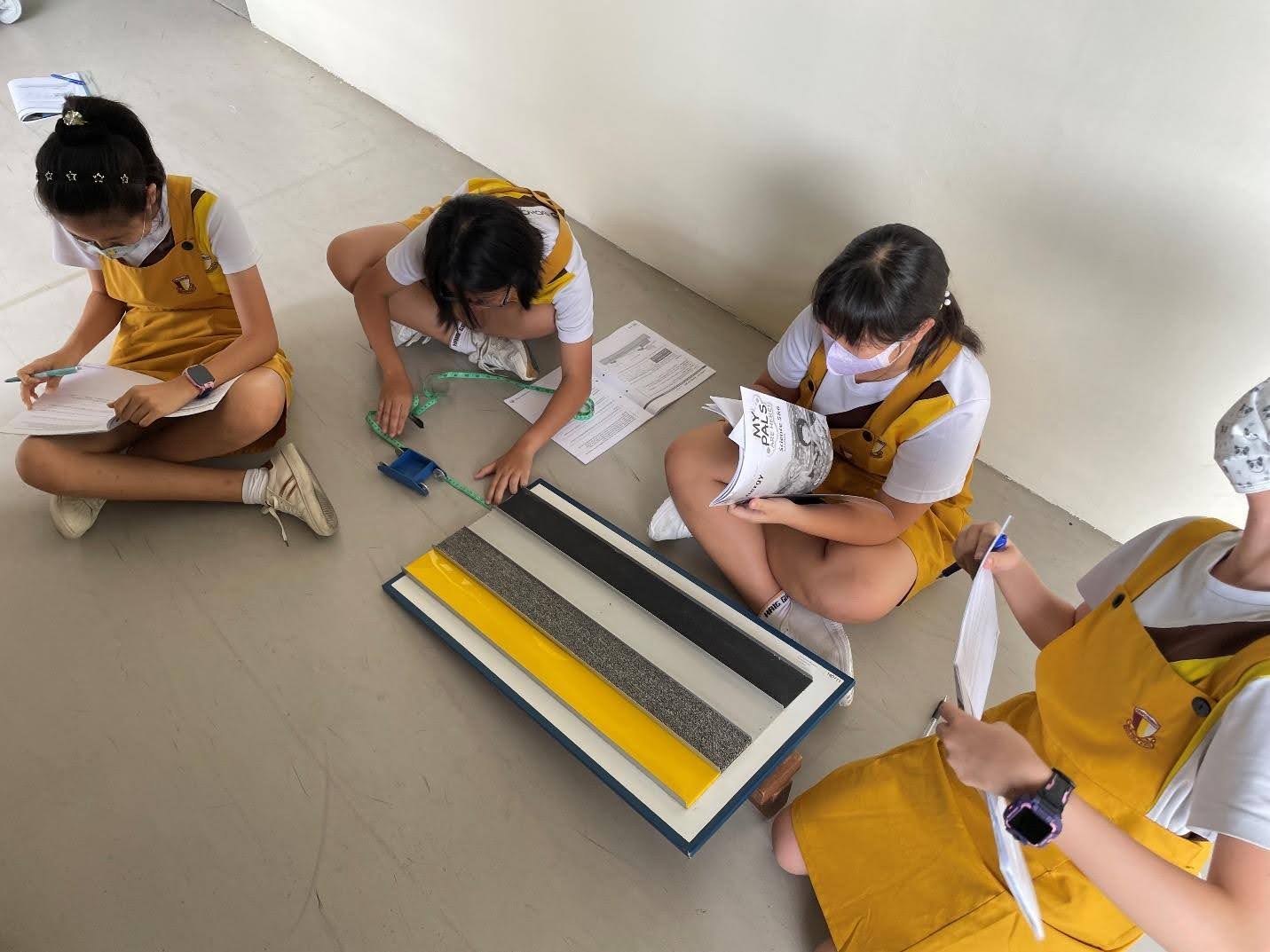
Students explored energy conversion through hands-on activities.
Harnessing Technology for Teaching and Learning
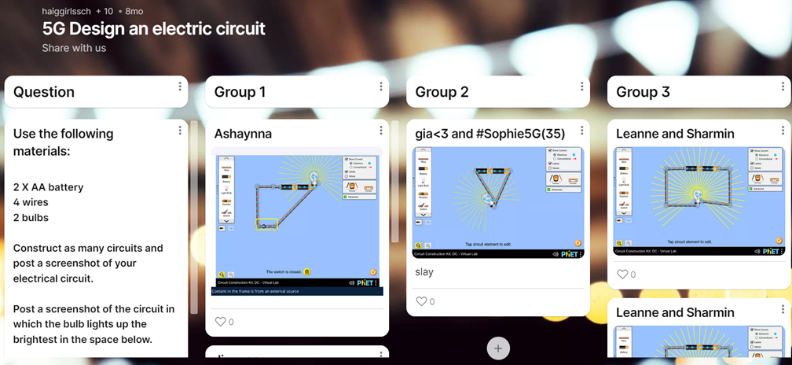
Students built electric circuits using online simulations, and learnt collaboratively on Padlet.
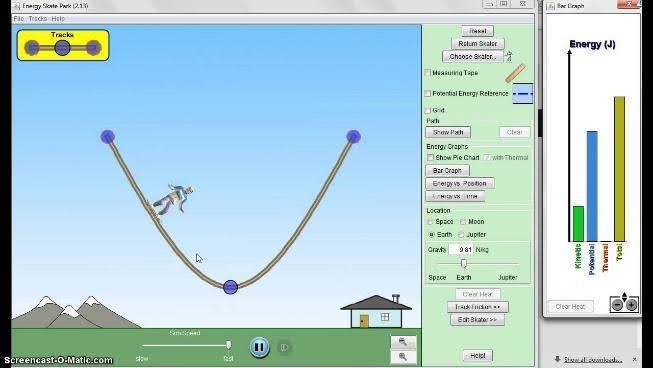
Exploring energy conversion through online simulation.
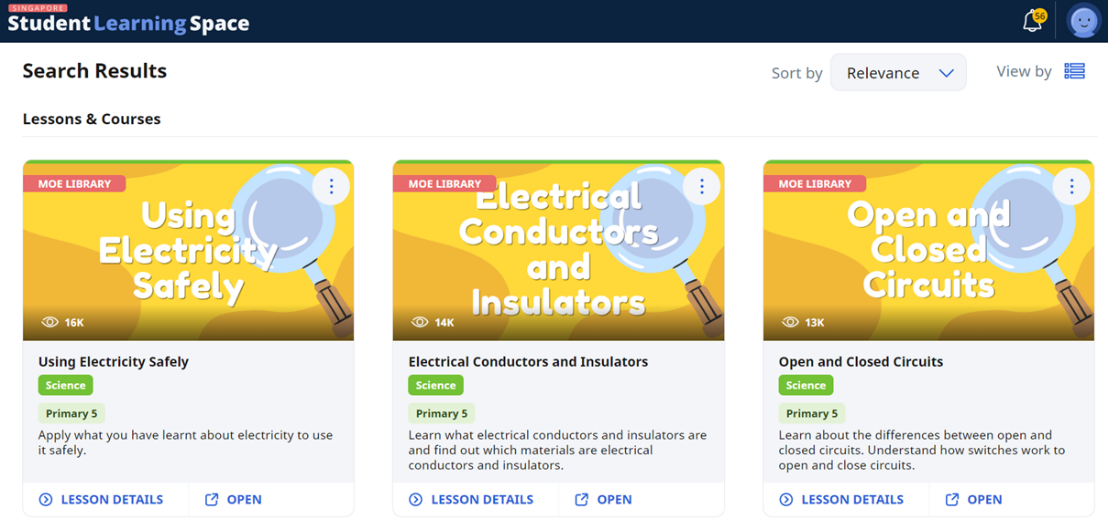
Harnessing SLS to foster self-directed learning.
Holistic Assessment to Support Learning
Assessment is integral to the learning process. Performance tasks develop students to think critically and apply their process skills and Science knowledge. Other assessment modes like journaling, peer and self-assessment, exit cards, checklists, rubrics and mini whiteboards offer valuable insights to support their learning and growth.
Science D3T2 (Discover, Develop & Dedicate your Talent Time)
Science D3T2 is a school-based talent development programme for upper primary students with an aptitude and keen interest in science. It leverages on the E2K Science Programme, developed by the Ministry of Education, to develop scientific inquiry and process skills and 21st century competencies like resilience, resourcefulness, critical and inventive thinking, and effective communication through collaborative learning and hands-on inquiry.
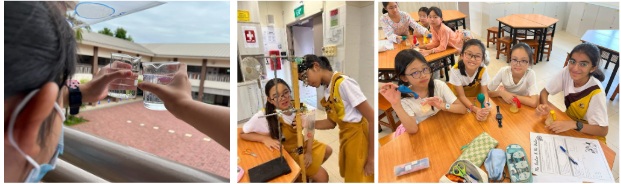
Science D3T2 students engaged in collaborative, creative Inquiry through hands-on exploration and critical thinking.
Learning Science beyond the classroom
World of Wonders (W.O.W) @ Recess
W.O.W (World of Wonders) @ Recess is a termly event at the foyer led by Science Ambassadors and parent volunteers. Students from all levels explore exciting new Science concepts through interesting activities, sparking curiosity, developing inquiry skills connecting Science to their everyday lives in a fun and engaging way.
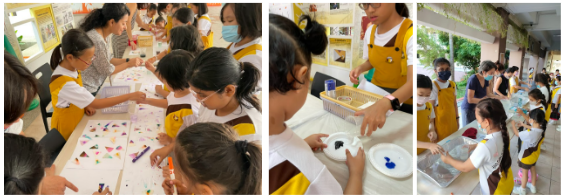
Students explored scientific concepts through interactive and engaging activities during recess.
Learning Journeys
Students visit the Lee Kong Chian Natural History Museum, exploring Singapore’s historical species. They learn about the history of life on Earth, environmental issues, and conservation efforts. Through observation and hands-on activities, students identify animal groups and their characteristics, connecting classroom learning to real-world biodiversity. Students also visit the Singapore Science Centre to explore interactive exhibits and deepen their understanding of scientific concepts. They attend an engaging workshop that brings Science to life, with student volunteers assisting in exciting experiments, making learning hands-on, immersive, and memorable.
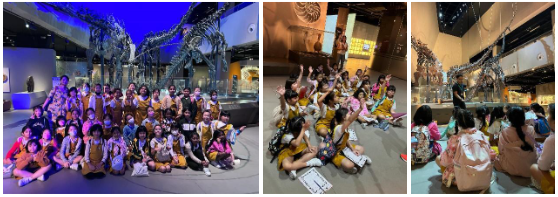
Students learnt together at the Lee Kong Chian Natural History Museum.
Green Spaces and Practices
The school integrates green spaces and sustainable practices to nurture environmental responsibility. The Green Corner, Science Garden, and eco-pond enable students to explore conservation and biodiversity, enriching learning with real-world applications of conservation and biodiversity. Programmes like Earth Week and the Clean Plate Campaign raise awareness of environmental and sustainability issues, while talks led by our Green Leaders and invited speakers inspire action. Through these initiatives, students develop a deeper understanding of environmental stewardship and are empowered to make a positive impact on the world around them.
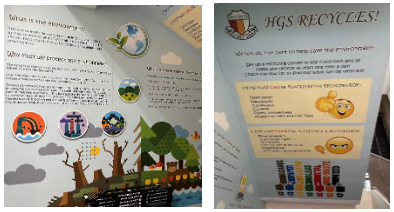
The Green Corner: Inspiring sustainable practices and environmental awareness.
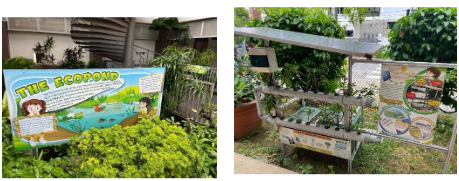
Science Garden & Eco-Pond: Living laboratories of biodiversity.