Arts Education
Discover how our Arts Education nurtures creative, confident and reflective learners.
Arts Education
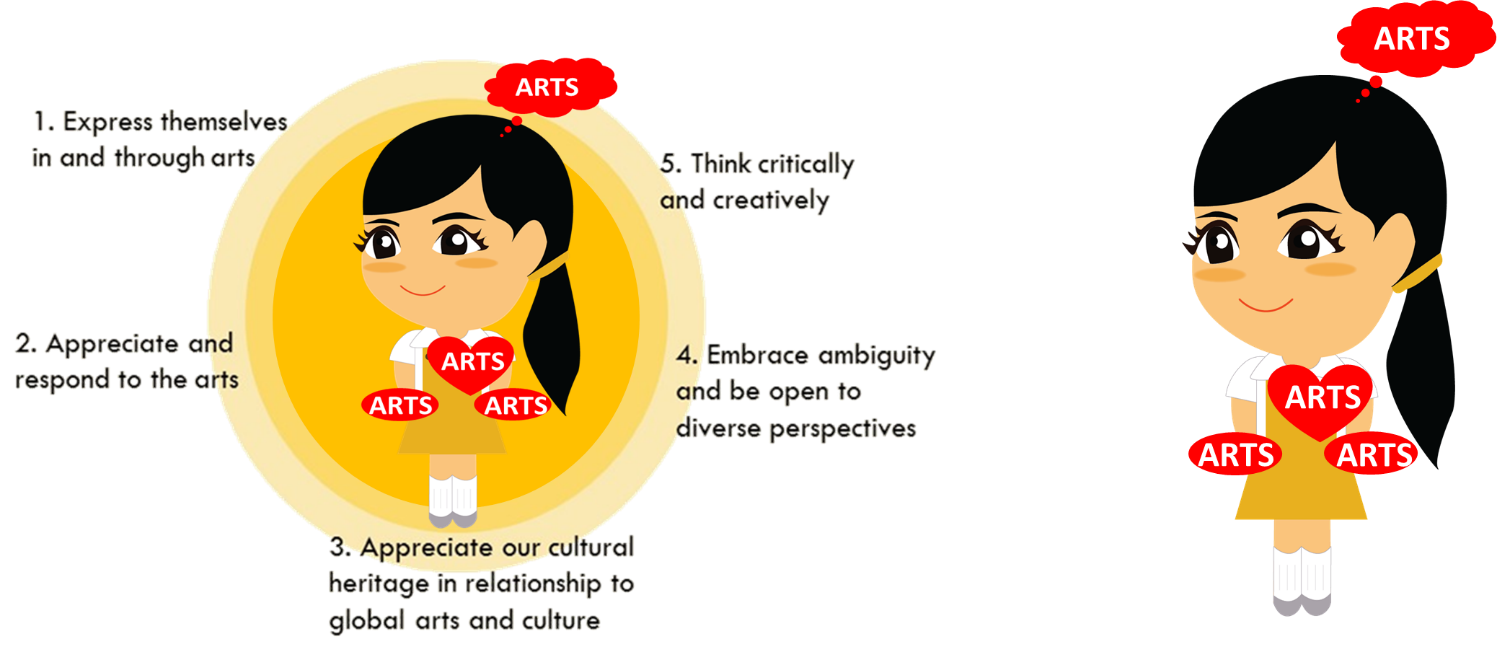
The aims of Arts education at Haig Girls’ School (HGS), through both our curriculum and co-curriculum, are to develop learners who are able to:
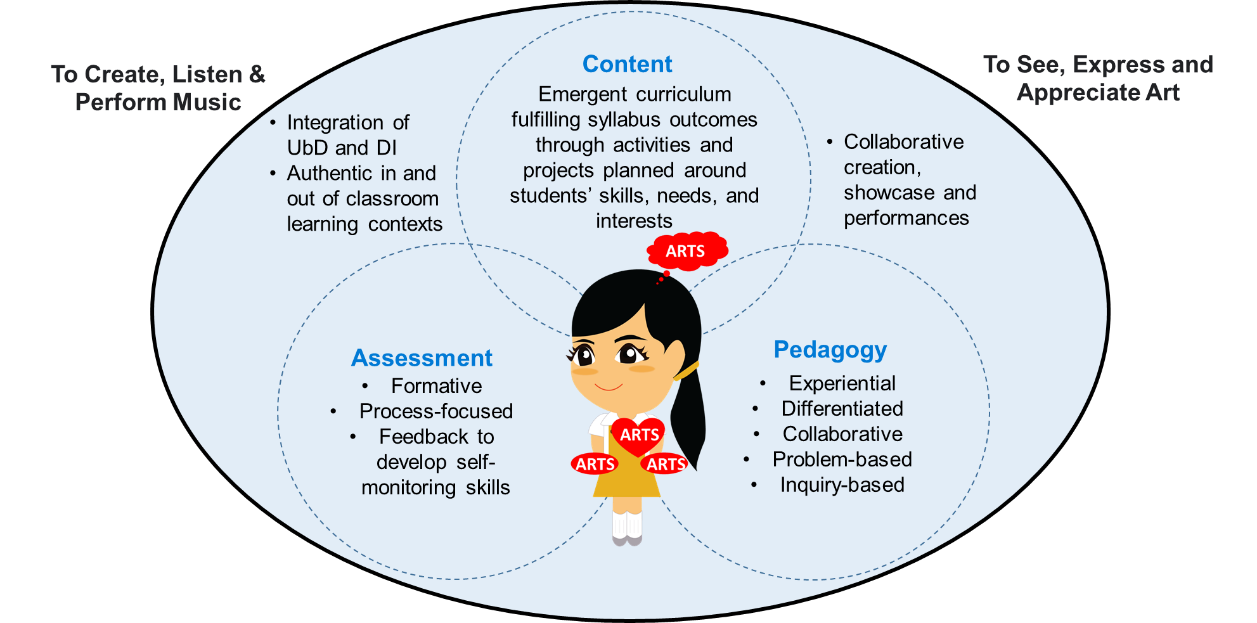
At HGS, the Arts are central to our holistic education, cultivating creativity, confident self-expression and adaptive thinking — equipping our girls with the 21st Century Competencies needed to thrive in a changing world. Through authentic, inquiry-driven experiences, students develop their voice and learn to engage the world with empathy and perspective. Anchored in the school’s values of Respect, Responsibility, Resilience, Integrity, Compassion and Humility, the Arts nurture both character and competence, shaping confident and reflective contributors to society.
Arts Learning Experience
The HGS Arts learning experience supports student agency by placing learners at the heart of the process. Through meaningful creation, reflection and collaboration, they develop confident voices, thoughtful decision-making and a strong sense of responsibility. Guided by Understanding by Design (UbD) and Differentiated Instruction (DI), learning is experiential and inquiry-driven in authentic contexts, cultivating empathy and resilience.
Music
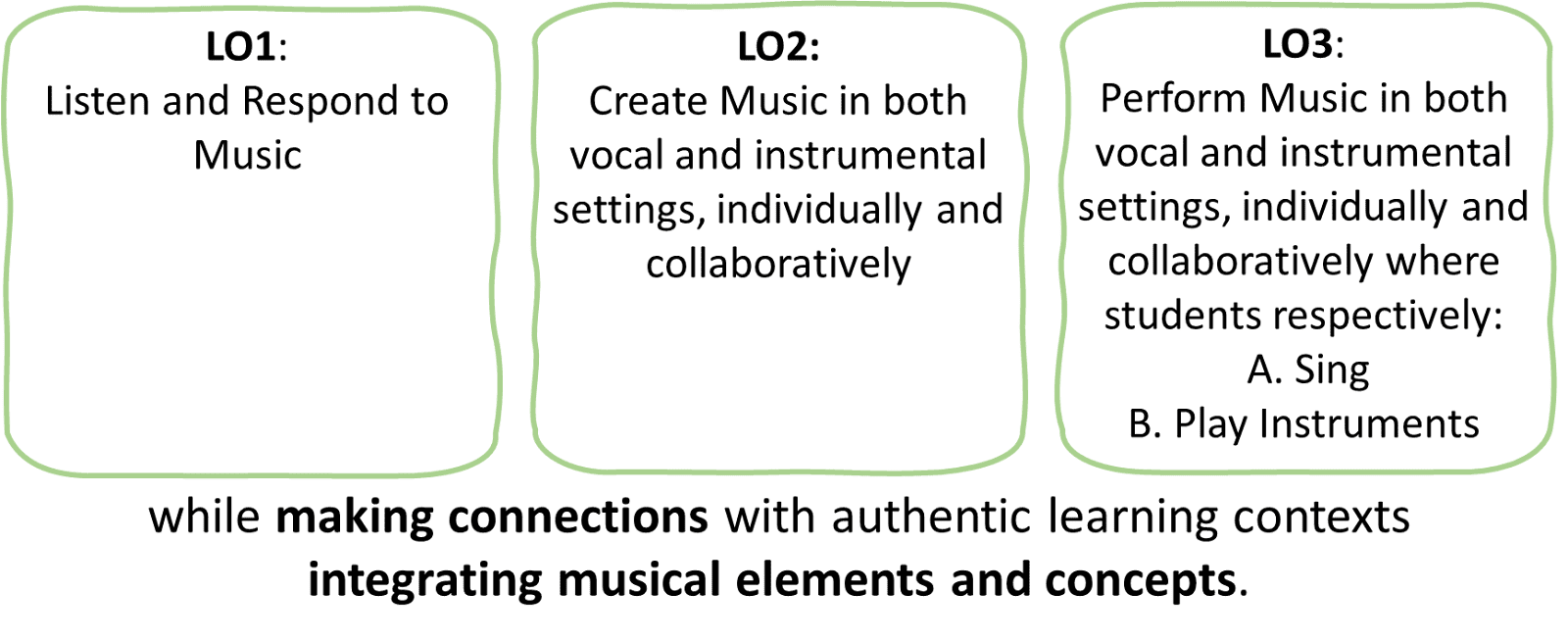
The Music Curriculum Structure follows the MOE Music Syllabus and is organised around three Learning Outcomes (LOs):
Music at HGS is shaped by three key approaches: Kodály-inspired practice, play-based learning and ensemble participation. Kodály-inspired, multi-modal experiences strengthen understanding from sound to symbol. Play-based learning through games, rhymes and folk songs fosters joyful engagement, creativity and musical fluency.
Ensemble participation places students at the heart of the musical process. Through vocal and instrumental collaboration, students develop agency, voice and choice — expressing ideas confidently and making meaningful musical decisions within a shared sound.
Art
The Art curriculum at Haig Girls’ School is aligned with the MOE Art Syllabus aims to enjoy art, communicate visually, and make meaning through connecting with society and culture. Three core learning experiences anchor art learning across primary schools in Singapore:
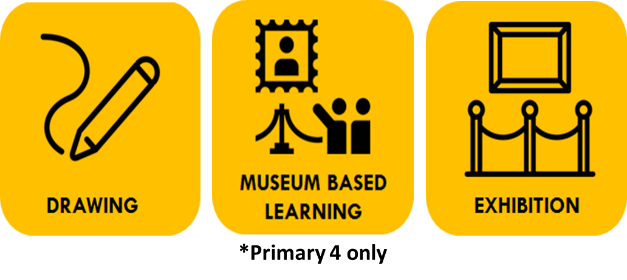
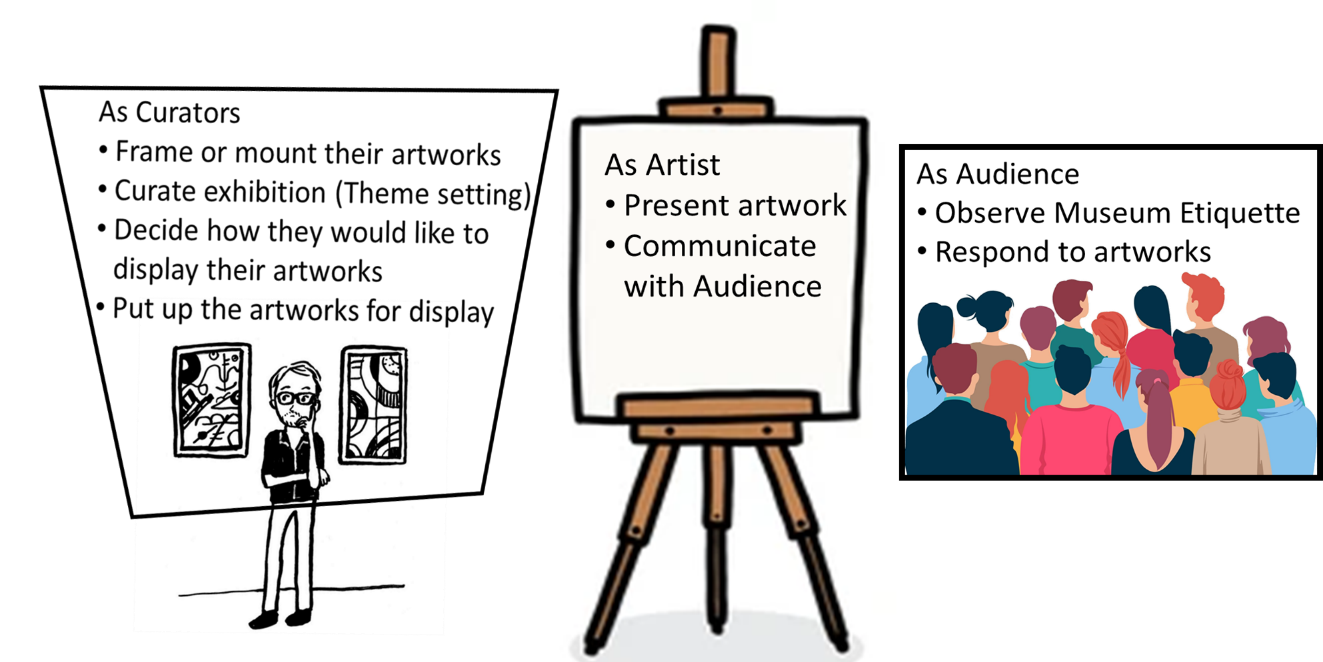
Through these experiences, students engage with art as artist, audience and curator. They work both independently and collaboratively — generating ideas, responding to artworks and presenting their creations. In doing so, they learn to observe closely, express themselves meaningfully, and connect with the world around them.
Authentic and Multi-Dimensional Learning Experiences in Art
Students will experience Art:
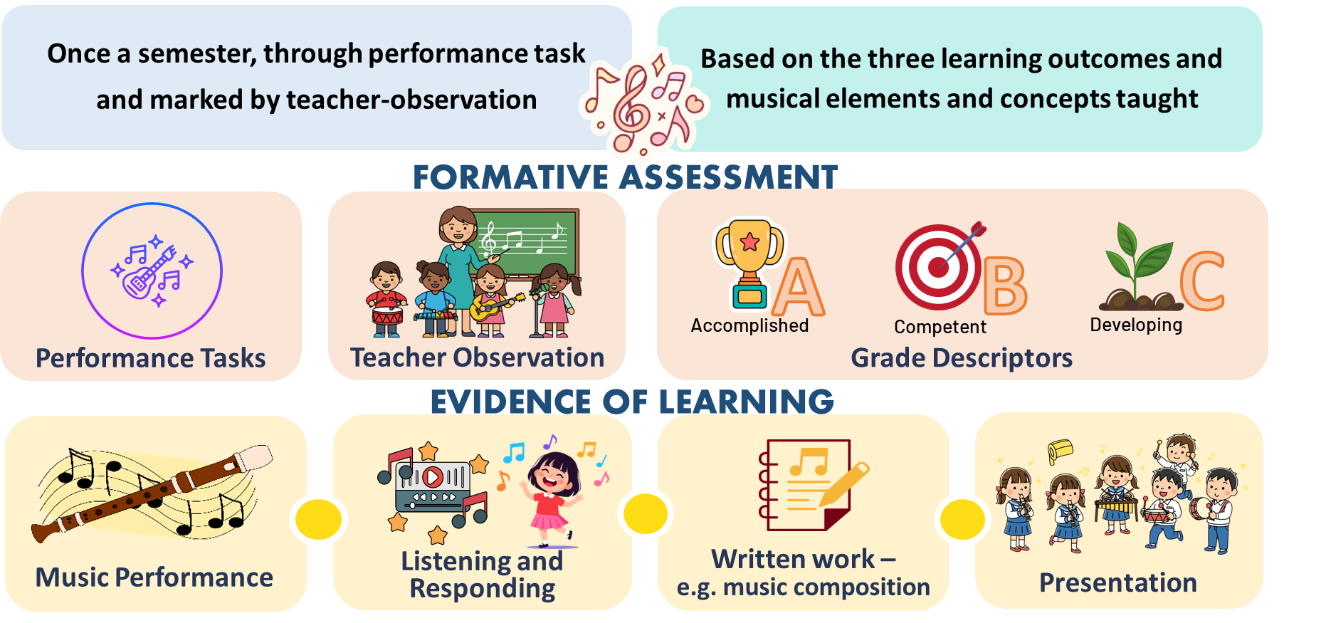
Assessment
Assessment in Art is conducted through a range of modes to capture students’ learning and artistic growth. These include teacher observation, students’ assignments and written work, as well as portfolio documentation. Portfolios comprise process work, research and sketches, reflections, evidence of improvement, and artists’ statements, providing a comprehensive view of each student’s development over time.